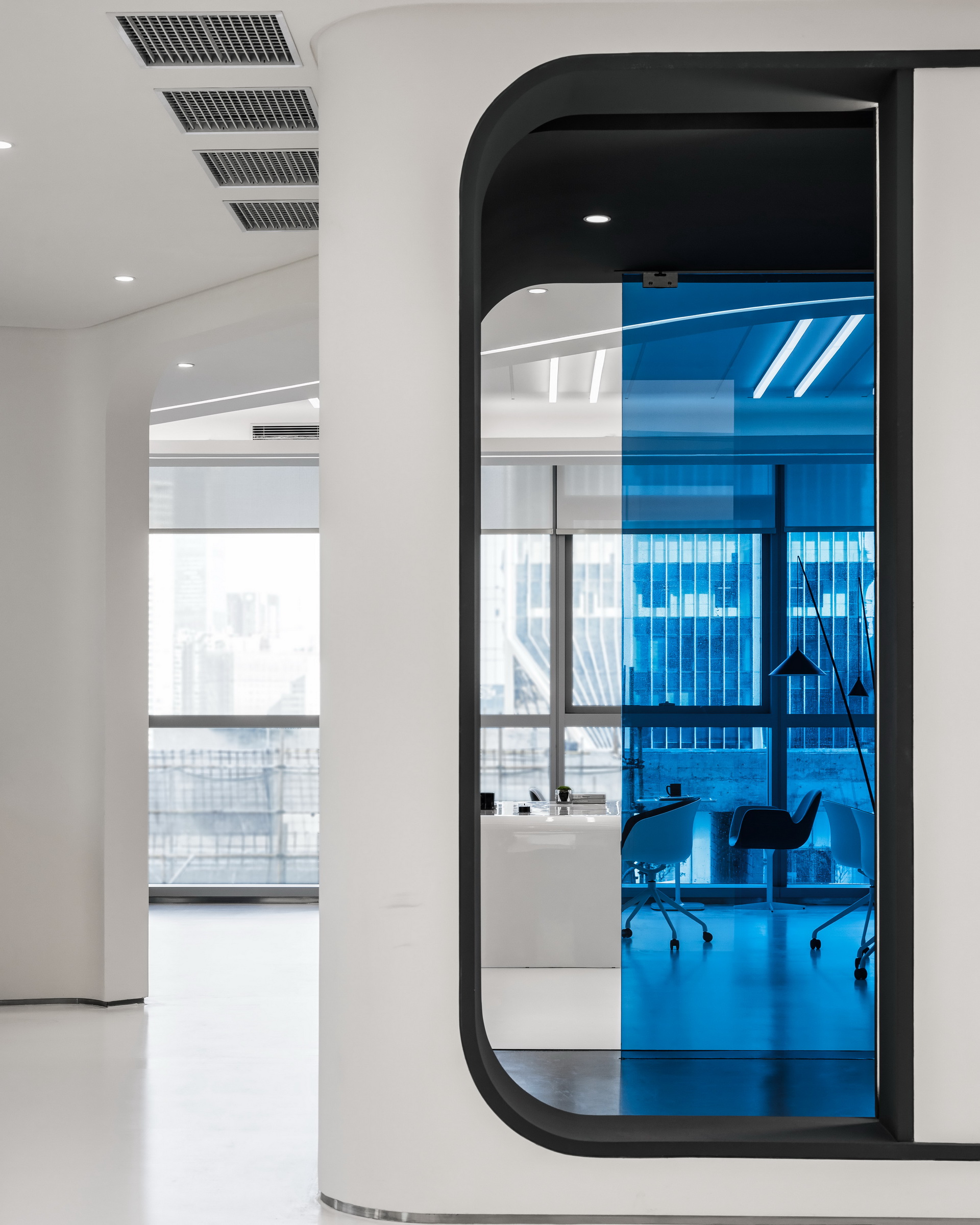
- 153
Interior Design Phnom Penh
From Destinations to Living Environments: The Future of Hospitality Design
Hospitality design in 2026 is no longer about creating places people simply visit. It is about creating environments people emotionally inhabit. Interior Design Phnom Penh
Across the world, the boundaries between hospitality, residential living, wellness, and workplace culture are dissolving. Hotels are becoming social hubs. Resorts are transforming into wellness retreats. Lifestyle cafés function as flexible workspaces. Hospitality environments are evolving into immersive living ecosystems where people connect, recharge, socialize, and feel a sense of belonging.
In Phnom Penh, this transformation is becoming increasingly visible. As the city continues to expand through mixed-use developments, rising tourism, international business activity, and lifestyle-led urban growth, hospitality expectations are shifting rapidly. Areas such as BKK1, Daun Penh, and the riverside districts are seeing growing demand for spaces that feel more human-centered, flexible, and emotionally engaging.
This is how our firm approaches interior Design Phnom Penh—through a hospitality-driven perspective that blends wellbeing, atmosphere, functionality, and cultural relevance into immersive environments designed for modern living. Hospitality today is not simply about temporary stays. It is about creating places where people genuinely want to remain—កន្លែងដែលមានអារម្មណ៍ថាសុខស្រួល និងរស់នៅបានពិតប្រាកដ (spaces that feel comfortable and truly livable).
The Shift from Destination to Living Environment
Traditional hospitality once focused primarily on accommodation and service. Today, hospitality environments must support far more complex patterns of living and interaction.
Modern hotels increasingly function as:
- Social gathering spaces
- Coworking environments
- Wellness-focused retreats
- Lifestyle destinations
- Cultural and community hubs
This shift reflects broader global lifestyle changes:
- Hybrid work culture
- Remote mobility
- Wellness-oriented living
- Experience-led travel behavior
- Demand for flexibility and personalization
In Phnom Penh, where business travel intersects with lifestyle hospitality and international investment, hospitality spaces must now accommodate guests who may work remotely during the day, socialize in the evening, and seek wellness and emotional comfort throughout their stay.
This evolution is redefining interior Design Phnom Penh as something more immersive and people-centered—មិនមែនត្រឹមតែសណ្ឋាគារ ប៉ុន្តែជាបរិយាកាសរស់នៅ (not just a hotel, but a living environment).
Hospitality Design in the Experience Economy
Luxury today is increasingly emotional rather than ornamental.
Travelers and users now value:
- Authenticity
- Emotional connection
- Personalization
- Atmosphere
- Memorable sensory experiences
Hospitality design has shifted away from superficial grandeur toward environments that create meaningful interaction and emotional resonance.
This means designing spaces through:
- Layered atmosphere
- Sensory engagement
- Storytelling through materiality
- Cultural references and local identity
- Human-scaled spatial experiences
In modern hospitality, guests remember how a place made them feel more than how expensive it looked.
The most successful environments feel immersive, intuitive, and emotionally restorative—អារម្មណ៍ដែលធ្វើឲ្យចង់ត្រលប់មកវិញ (a feeling that makes people want to return).
The Blurring of Hospitality, Residential & Workplace Design
One of the defining trends shaping hospitality today is the merging of multiple design typologies.
We increasingly see:
- Hotels inspired by residential warmth
- Offices influenced by hospitality comfort
- Branded residences with lifestyle amenities
- Multifunctional environments supporting work, leisure, and social interaction simultaneously
This blending reflects changing expectations around flexibility and emotional comfort.
In interior Design Phnom Penh, hospitality spaces are evolving to feel:
- More welcoming and intimate
- More adaptable throughout the day
- More socially engaging
- More lifestyle-oriented
Modern hospitality environments are no longer static. They are fluid ecosystems responding dynamically to human behavior and experience.
Designing for Wellness & Human Connection
Wellbeing has become central to hospitality design strategy.
Today’s guests increasingly seek environments that support:
- Mental restoration
- Physical comfort
- Emotional calmness
- Social connection
- Sensory balance
This is achieved through:
- Natural light integration
- Biophilic design and greenery
- Acoustic comfort
- Tactile and breathable materials
- Wellness-focused amenities
- Indoor-outdoor transitions
In tropical cities like Phnom Penh, openness and airflow become especially important. Cross ventilation, shaded outdoor spaces, and climate-responsive materials help create hospitality environments that feel lighter, calmer, and healthier—ស្រស់ស្រាយ និងស្ងប់ស្ងាត់ (fresh and peaceful).
Technology & the Future Guest Experience
Technology is rapidly reshaping hospitality, but the future is not about removing human interaction—it is about enhancing it seamlessly.
Modern hospitality environments increasingly integrate:
- Smart room systems
- AI-driven personalization
- Seamless mobile guest experiences
- Data-informed operational planning
- Integrated digital concierge services
However, technology must remain intuitive and invisible. The goal is not to create cold digital environments, but smoother and more emotionally comfortable guest journeys.
The future of hospitality lies in balancing technological sophistication with warmth, atmosphere, and genuine human experience.
Designing Hospitality Spaces in Phnom Penh
Phnom Penh presents a unique hospitality context shaped by:
- Growing tourism and international investment
- Expanding mixed-use urban development
- Tropical climate conditions
- Lifestyle-driven hospitality demand
- Evolving business travel culture
Designing hospitality spaces here requires sensitivity to:
- Indoor-outdoor integration
- Climate-responsive openness
- Tropical material durability
- Flexible social and coworking environments
- Local cultural warmth and craftsmanship
In areas like BKK1 and along the riverside, there is growing demand for hospitality environments that feel globally sophisticated while remaining deeply connected to Cambodian culture and atmosphere—ទំនើប ប៉ុន្តែមានអត្តសញ្ញាណក្នុងតំបន់ (modern yet locally rooted).
Our Hospitality Design Approach
Every hospitality project begins with understanding people and experience.
Our methodology includes:
Concept Strategy
Defining the emotional identity and lifestyle narrative
Guest Journey Mapping
Designing experiences from arrival to departure
Spatial Planning
Balancing flexibility, functionality, and atmosphere
Material & Lighting Curation
Creating sensory richness through texture, tone, and illumination
Operational Understanding
Ensuring seamless hospitality performance and guest comfort
Execution & Styling
Refining every detail to align atmosphere with functionality
This holistic approach ensures every interior Design Phnom Penh project feels timeless, immersive, and deeply human-centered.
Our Perspective
At our firm, we believe the future of hospitality lies beyond destinations alone.
The most successful hospitality environments today:
- Encourage belonging
- Support wellbeing
- Blend flexibility with emotional comfort
- Create meaningful social interaction
- Remain relevant beyond short-term trends
This is what defines our approach to interior Design Phnom Penh—hospitality environments where lifestyle, culture, atmosphere, and human experience intersect seamlessly.
Rethink Hospitality Beyond Conventional Models
Hospitality is evolving rapidly. Guests no longer seek spaces that merely function—they seek spaces that feel alive, immersive, and emotionally meaningful.
If you are a hotel owner, developer, operator, or hospitality brand in Phnom Penh, now is the time to rethink hospitality beyond traditional models.
Let’s create hospitality environments where people can work, connect, relax, and truly belong—future-ready spaces shaped by culture, wellbeing, and meaningful human experience.
Connect with us in


