Balance the guest journey with housekeeping access, long-life materials and reliable room operation. Boutique hotels often compete through atmosphere and memorable local identity rather than scale.
What matters for this project
Boutique hotels often compete through atmosphere and memorable local identity rather than scale. In Phnom Penh, a considered sense of place can emerge from craft, light, material and service experience without turning rooms into a stereotyped cultural display.
Define the story before choosing patterns
Start with the guest audience, neighborhood context and intended positioning of the property. Consider whether the experience should feel quiet, social, contemporary or heritage-inspired. Develop a concise design narrative that informs furniture proportions and the selection of artwork. A story is most useful when it helps owners decide what not to include, preventing an accumulation of unrelated visual references.
Use craft with respect and clarity
Locally produced textiles, joinery and art can add depth when designers work with makers on quality, sourcing and appropriate presentation. Commission durable pieces and understand maintenance needs. Ask permission for artworks and credit creators where appropriate. Cultural identity should be meaningful to the hotel’s own context rather than borrowing symbols simply for decorative effect.
Maintain operational consistency
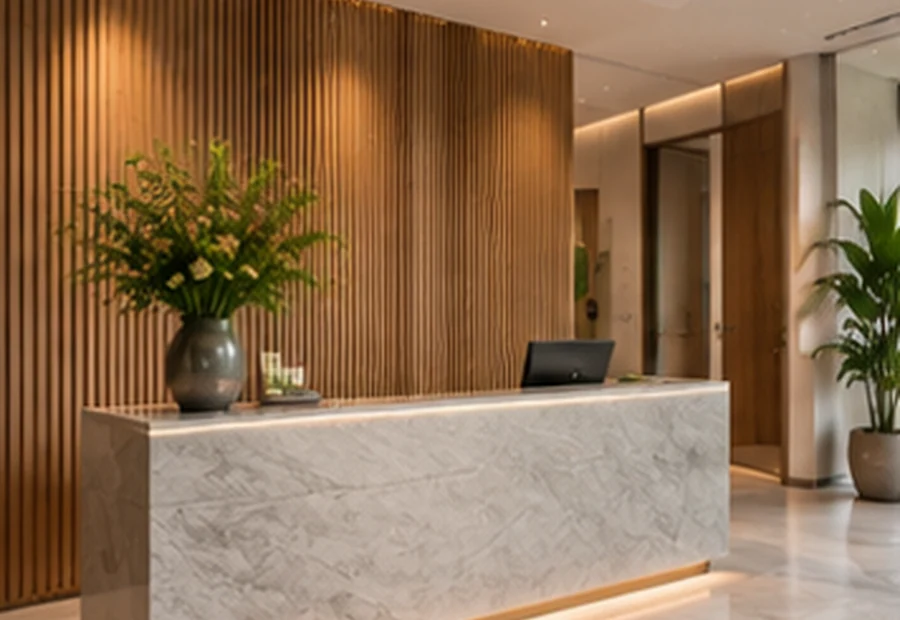
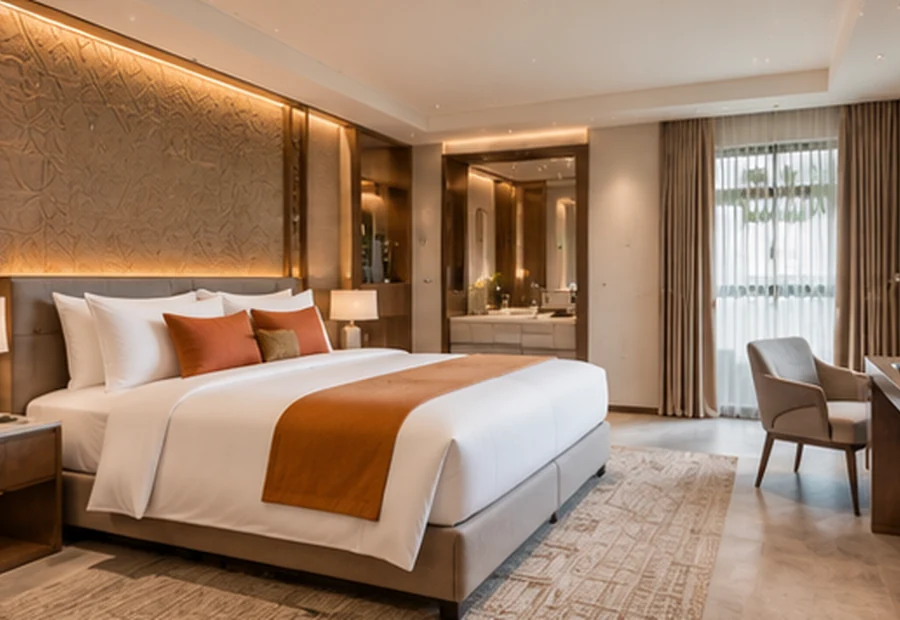
A distinctive lobby still needs clear front-desk workflow and intuitive routes. Guestrooms benefit from consistent bedside controls, reliable outlets, accessible storage and places to set luggage. Create a repeatable palette of robust details so repairs are manageable. The result should be a recognisable experience that works equally well for the first guest and for the housekeeping team after hundreds of stays.
A sense-of-place design review
For a small riverside hotel, a design narrative could draw from local craftsmanship, changing daylight and a calm connection to the city. Test each proposed feature against that narrative. A locally made timber screen may offer privacy and visual identity; a themed decorative prop with no purpose may not. Then ask the housekeeping manager how the feature will be cleaned and repaired. A convincing boutique identity emerges from repeated practical choices that guests can feel, rather than a collection of cultural references competing for attention.
Project decision checklist
- Write a concise design narrative.
- Identify local sourcing and maker responsibilities.
- Standardise essential guestroom details.
- Review maintainability with hotel staff.
Frequently asked questions
Does local design require traditional furniture?
No. Local character can be expressed through contemporary craft, material choices and the way hospitality is experienced.
Can each guestroom be completely different?
Variation can be appealing, but standardising essential fittings often helps maintenance, purchasing and guest clarity.
Next steps
Use these questions to prepare a clear brief and compare project proposals based on scope, evidence and realistic operating needs. For a project in Phnom Penh, confirm site conditions and applicable building requirements with the responsible professionals before finalizing the work. For a relevant discussion, contact the SATU team in Phnom Penh.