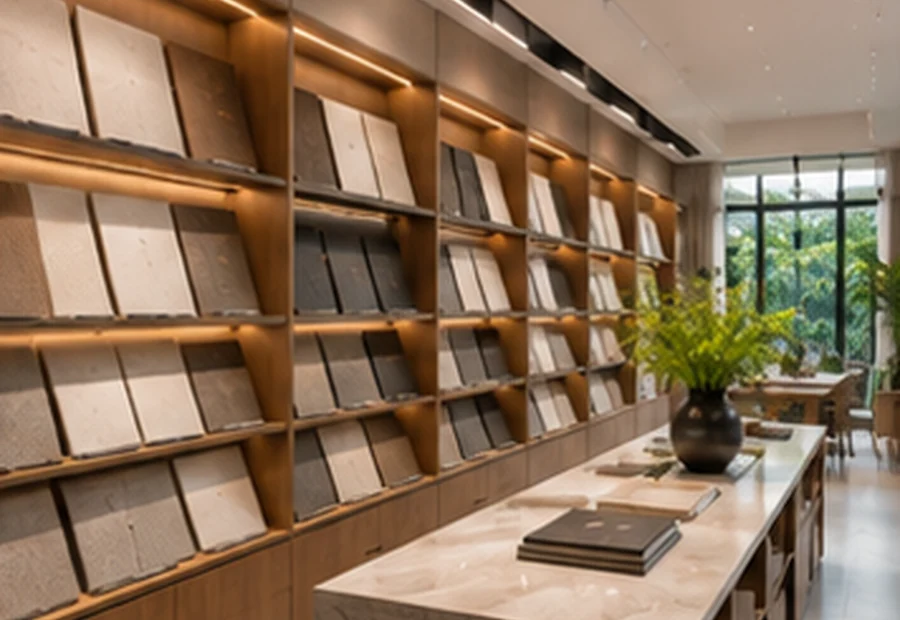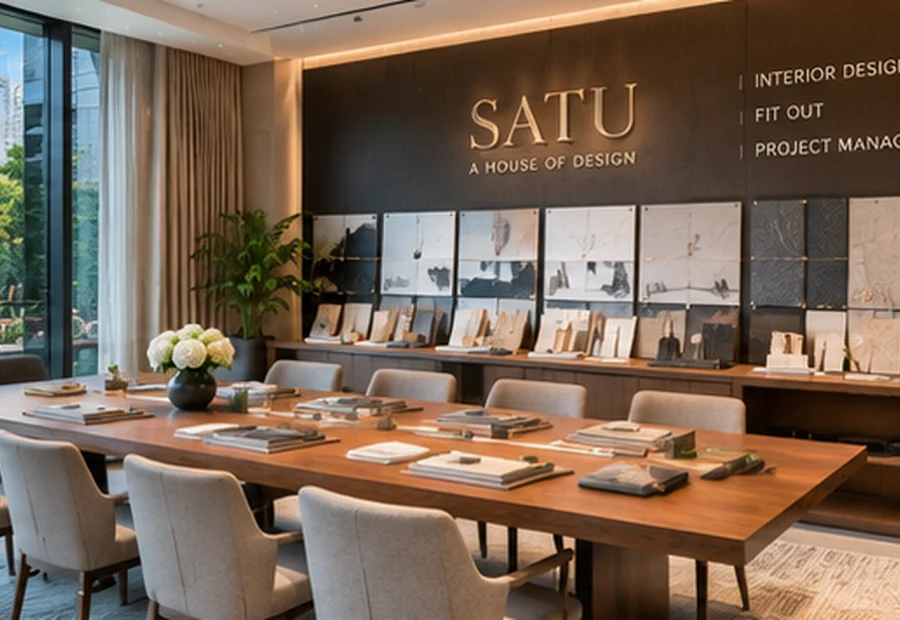
Compare relevant built work, written deliverables, technical responsibilities and change procedures before appointing a studio. Owners frequently hear the terms design-only, design-and-build and turnkey.
What matters for this project
Owners frequently hear the terms design-only, design-and-build and turnkey. They are different procurement structures, not merely marketing labels. Understanding responsibility for design, pricing and on-site delivery helps reduce gaps when planning an interior project in Phnom Penh.
Design-only offers independent project control
With design-only services, the designer develops an agreed package and the owner may appoint a separate contractor. This can support competitive tendering and distinct design oversight. It also requires clear rules for drawing ownership, coordination, tender queries and site changes. The owner or appointed project manager needs to manage the interfaces between independent parties.
Design-and-build consolidates accountability
A design-and-build provider may take responsibility for both design and construction under a defined contract. This can simplify communication, but should not eliminate the need for transparent specifications and quality inspections. Ask whether specialist engineering is in-house or subcontracted, whether the contract permits equivalent materials, and how design changes affect programme and price.
Choose based on complexity and governance
An occupied office relocation has different risks from a private apartment refresh. Compare programme certainty, independent quality review, budget reporting and your ability to make timely decisions. Whatever route you choose, insist on agreed acceptance criteria, a procurement schedule and a clear list of matters requiring landlord or authority consent. No contracting route removes the need for due diligence.
Test both models against a single project
Consider a restaurant with a fixed opening target. A design-only team may give the owner more flexibility to tender separately, but contractor selection and kitchen coordination must be managed. A turnkey provider may consolidate decisions, yet the owner still needs proof that extraction, fire-safety and equipment matters are assigned to competent specialists. Create a timeline from survey to design freeze, contractor appointment, long-lead orders, inspections and training. The better model is the one whose contract, staffing and schedule match your resources for decision-making and oversight.
Project decision checklist
- Define whether independent tendering is important.
- Confirm a single responsibility matrix.
- Document quality standards and substitution rules.
- Keep signed change orders and site records.
Frequently asked questions
Is turnkey always faster?
It can reduce interfaces, but actual timing depends on approvals, procurement, decision-making and site conditions.
Who should approve material substitutions?
The contract should name the owner’s decision-maker and the designer or technical reviewer responsible for checking equivalence.
Next steps
Use these questions to prepare a clear brief and compare project proposals based on scope, evidence and realistic operating needs. For a project in Phnom Penh, confirm site conditions and applicable building requirements with the responsible professionals before finalizing the work. For a relevant discussion, contact the SATU team in Phnom Penh.