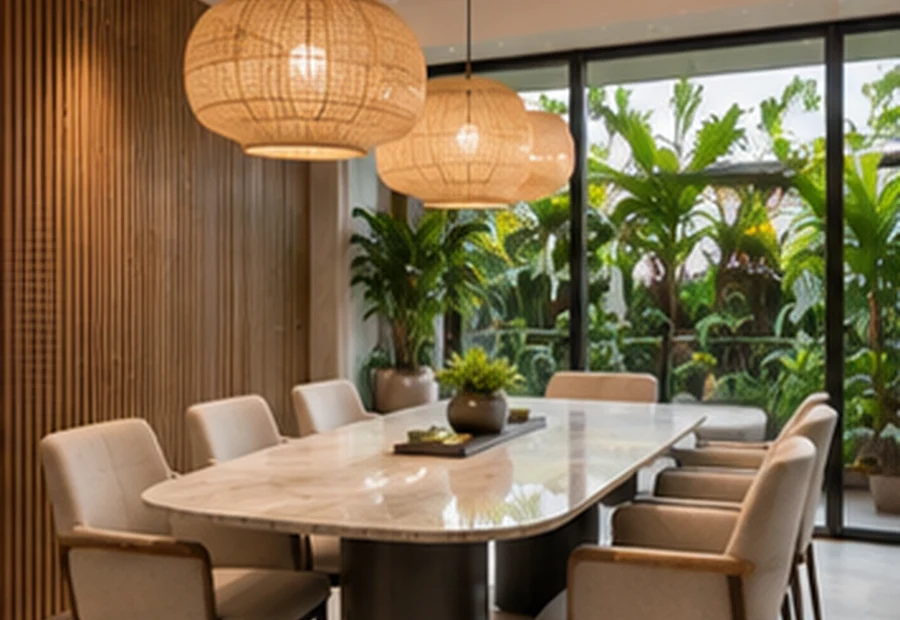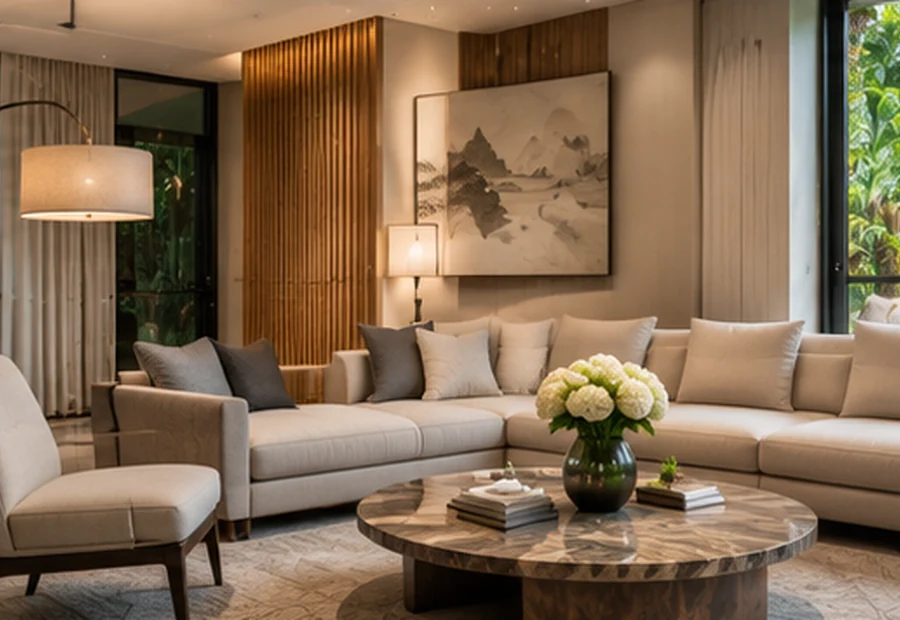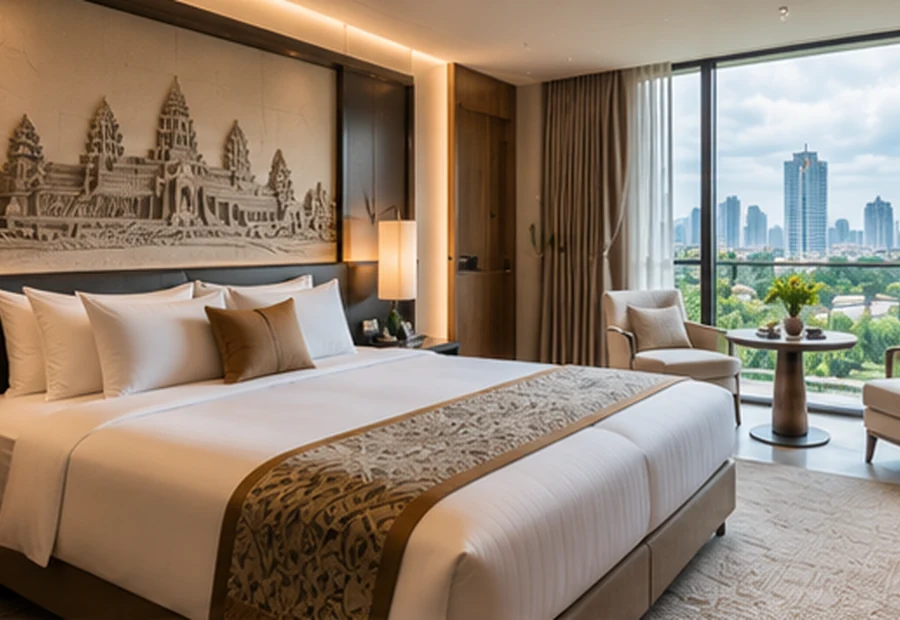
Approve a documented brief, drawing scope, procurement plan and handover process so design decisions remain buildable. Interior projects in Phnom Penh benefit from balancing design ambition with reliable material availability, transport logistics and long-term maintenance.
What matters for this project
Interior projects in Phnom Penh benefit from balancing design ambition with reliable material availability, transport logistics and long-term maintenance. The best-looking sample is not automatically the best choice for a tropical climate or a busy operating environment.
Assess climate and material performance
Humidity, strong sunlight and intensive air-conditioning can affect wood movement, adhesives, textiles and finish stability. Specify materials against expected exposure rather than choosing only by colour. Consider ventilation behind cabinetry, moisture management in wet spaces and fabric performance where cleaning is frequent. Some finishes require manufacturer-approved installation systems; changing those systems to save cost can undermine durability.
Plan the procurement sequence
Imported products may involve longer lead times and replacement complications. Ask suppliers to confirm availability, quantities, batches, delivery conditions and warranties before the design is frozen. A useful procurement schedule separates decisions needed before ceiling closure from decorative items that can be ordered later. Samples should be signed off under realistic project lighting, because showroom appearance may differ.
Use local craft with disciplined detailing
Cambodian-made joinery and crafted elements can lend identity and support practical servicing. However, bespoke work still needs clear shop drawings, finish samples, tolerances and quality checks. If a design combines locally made furniture and imported hardware, test compatibility early. Specify spare parts or repair methods for components likely to wear, especially at hotels, restaurants and offices.
A material substitution example
Suppose an imported fabric chosen for guestroom seating is delayed. The alternative should be assessed for abrasion resistance, cleanability, colour appearance, fire-performance requirements and warranty support, not simply for a similar beige tone. The designer should review a full-size sample under the actual room lighting and confirm that its dimensions and finishing will work with the furniture. Only then should a substitution be approved and recorded. The same method works for joinery hardware, tiles and decorative lighting: identify the performance that matters before accepting a visually similar replacement.
Project decision checklist
- Confirm sample performance and care requirements.
- Require supplier lead-time confirmation.
- Approve shop drawings before fabrication.
- Keep maintenance and warranty information.
Frequently asked questions
Are imported materials always better?
No. Suitability, installer capability, service support and lifecycle cost often matter more than country of origin.
Why review samples under site lighting?
Colour and texture can appear different under daylight, warm LEDs and the actual surrounding finishes.
Next steps
Use these questions to prepare a clear brief and compare project proposals based on scope, evidence and realistic operating needs. For a project in Phnom Penh, confirm site conditions and applicable building requirements with the responsible professionals before finalizing the work. For a relevant discussion, contact the SATU team in Phnom Penh.