Start with the users, climate exposure and a measured layout; choose materials and lighting for lasting daily comfort. A contemporary Phnom Penh interior can communicate place without copying historical motifs indiscriminately.
What matters for this project
A contemporary Phnom Penh interior can communicate place without copying historical motifs indiscriminately. The strongest cultural references come from understanding local craft, material proportions, patterns and the way social spaces support hospitality and family life.
Translate rather than reproduce
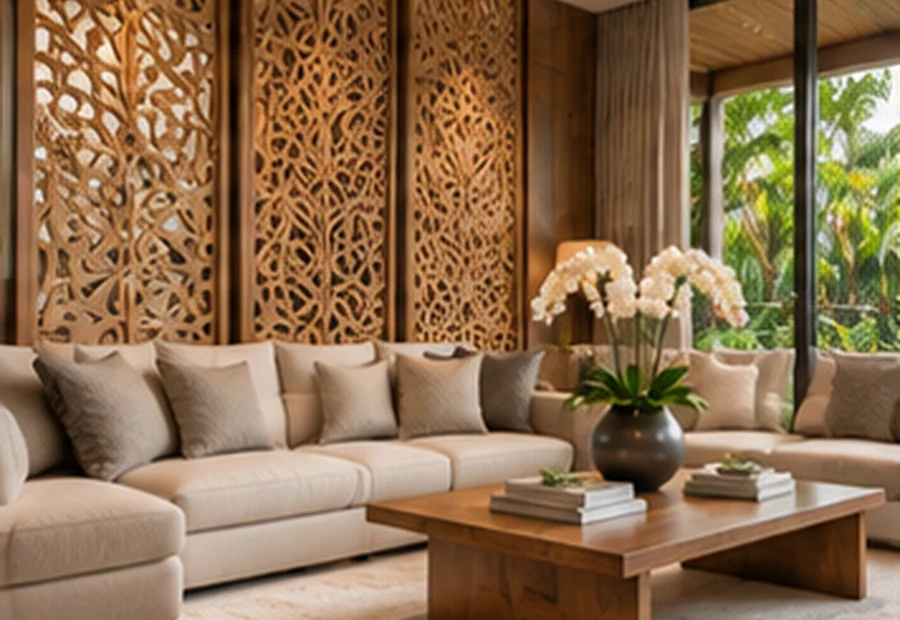
Consider the rhythm of timber screens, tactile woven surfaces, natural stone and crafted details as design principles. A screen can filter views and daylight while providing a subtle cultural connection; it need not become a decorative wall pasted onto every room. Select one or two meaningful focal elements and give them enough visual space. Ask artisans to mock up joinery junctions and material finishes before finalizing complex work.
Balance openness and privacy
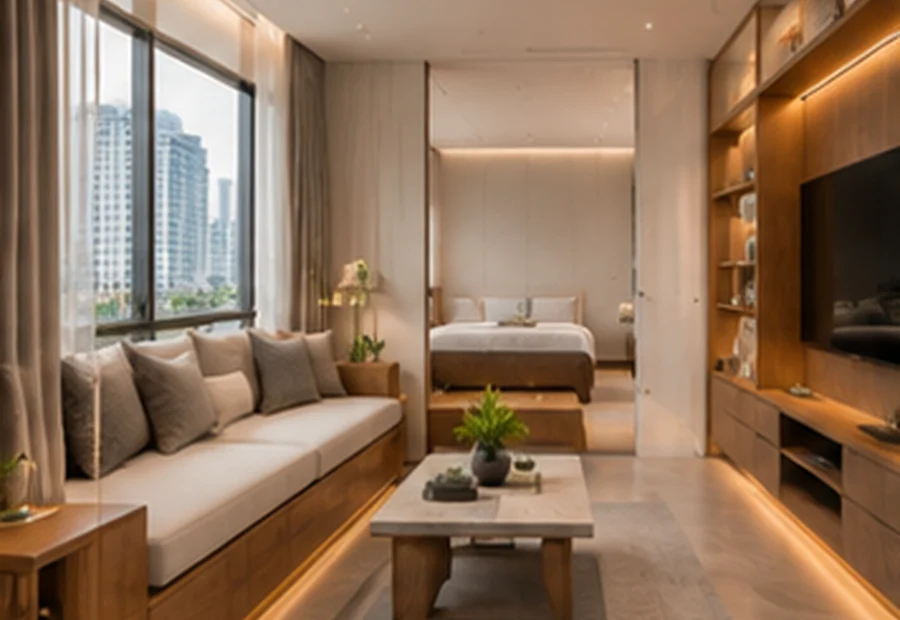
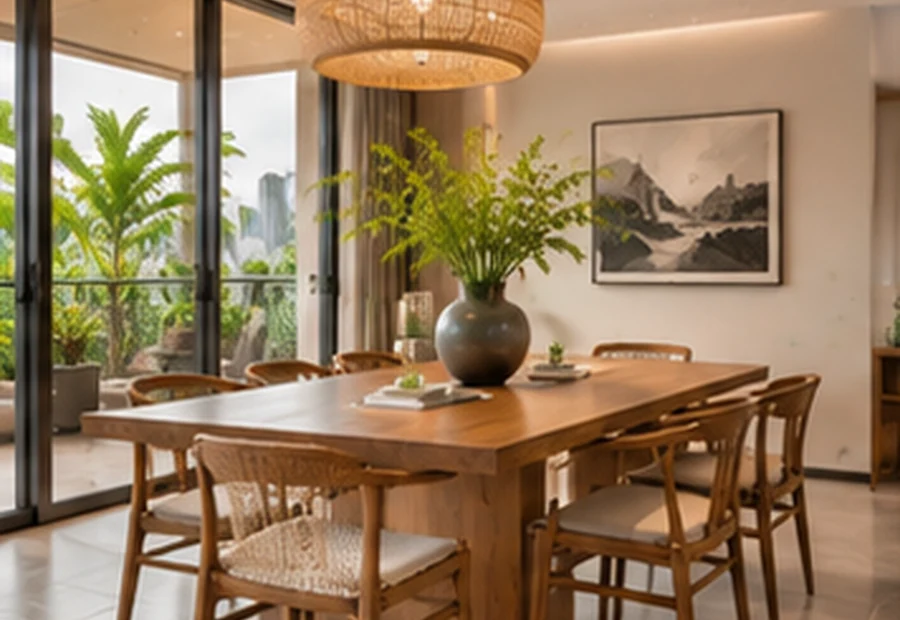
Living spaces may accommodate both lively gatherings and quiet family routines. Design a sequence from entrance to shared seating to more private rooms. Furniture groupings can define conversation areas without heavy partitions. Soft furnishings and acoustic treatment can make generous spaces less echo-prone. Local references are more convincing when the interior works for its actual occupants, not when every corner looks like a themed hotel.
Work responsibly with makers
Commissioning local craftsmanship requires appropriate lead times, clear details and fair expectations about consistency. Confirm sourcing, finishing methods and maintenance. Where natural materials change with age, show the client samples and explain expected variation. A well-documented collaboration can produce contemporary interiors with distinctive Cambodian character while remaining durable and straightforward to care for.
A responsible way to commission cultural details
If a project includes a carved screen inspired by Cambodian craftsmanship, begin with its functional role: daylight filtering, privacy or spatial division. Agree the design intent with the maker, prepare a sample and evaluate its scale under the intended lighting. Discuss whether the chosen timber and finish can withstand the actual humidity and cleaning regime. Rather than using the same pattern throughout the property, allow the craftsmanship to become one deliberate feature. The result can feel rooted in place while still respecting contemporary comfort and maintenance.
Project decision checklist
- Choose cultural references with a functional purpose.
- Mock up craft details at realistic scale.
- Plan privacy and conversation areas.
- Document sourcing and maintenance.
Frequently asked questions
Does a Khmer-inspired interior have to be traditional?
No. Contemporary spaces can express local identity through craft, material, proportions and spatial relationships.
How do I avoid a themed or overdecorated look?
Use selective references and prioritise everyday function, proportion and workmanship.
Next steps
Use these questions to prepare a clear brief and compare project proposals based on scope, evidence and realistic operating needs. For a project in Phnom Penh, confirm site conditions and applicable building requirements with the responsible professionals before finalizing the work. For a relevant discussion, contact the SATU team in Phnom Penh.