Interior Design Phnom Penh: Bathroom Finishes for Humid Conditions
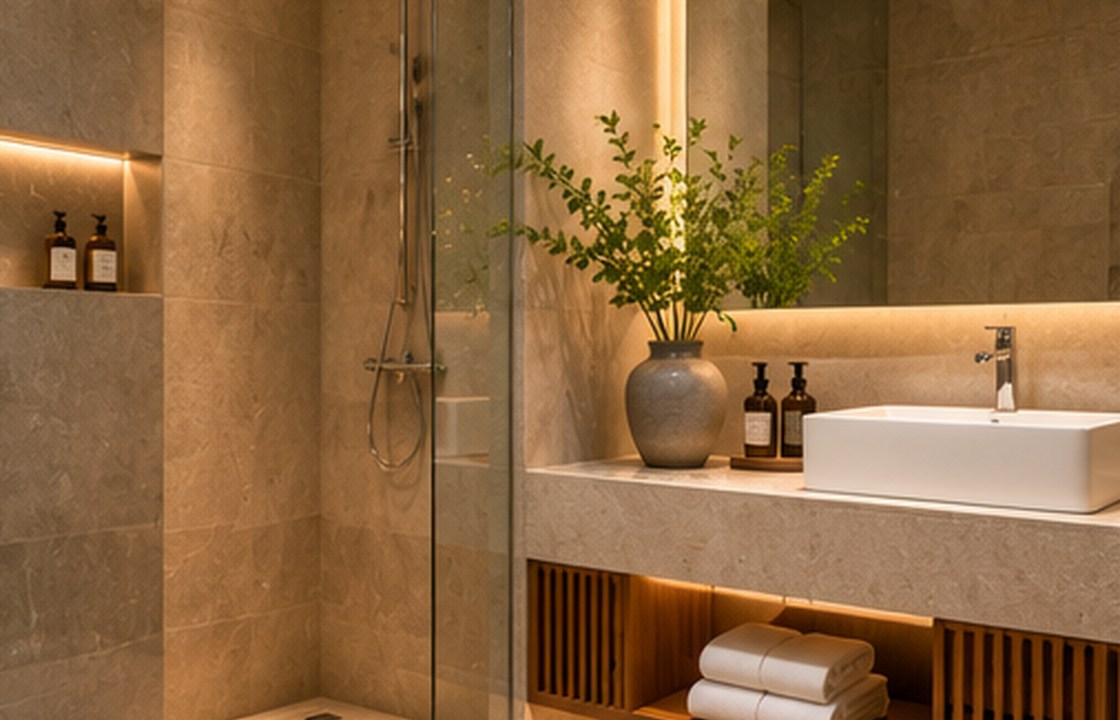
Bathroom design in Phnom Penh should start with waterproofing, ventilation, drainage, and cleaning. A beautiful tile is not a substitute for correct wet-area detailing or access to maintain plumbing.
The short answer
For bathroom finishes for humid conditions, begin by defining how the space will be used, checking the existing physical and technical constraints, and deciding what must perform reliably every day. For Phnom Penh projects, climate, maintenance, user comfort, and handover responsibilities belong in the same conversation as the design style.
Bathroom design in Phnom Penh should start with waterproofing, ventilation, drainage, and cleaning. A beautiful tile is not a substitute for correct wet-area detailing or access to maintain plumbing. The guidance below translates that goal into practical decisions a property owner or operating team can discuss with a designer, contractor, and relevant specialists.
01 Understand the wet zone
Identify where showers splash, where the floor slopes, and where water can reach the base of walls or cabinetry. Ask qualified contractors to document the waterproofing system and testing requirements. Avoid specifying a seamless look that hides a critical inspection point.
To make this decision actionable, ask the project team to show it on a measured drawing or a physical sample, identify any dependence on building services, and record who approves the final result. A convincing visual alone is not evidence that the detail will work.
02 Make ventilation a deliberate choice
High moisture levels can lead to persistent dampness if exhaust and make-up air are poorly planned. Confirm fan location and discharge route rather than relying on a decorative ceiling grille. Select mirrors and storage solutions with condensation and airflow in mind.
Compare a restrained option with an upgraded option on usability, maintenance, and effect on the wider design. This helps prevent one appealing feature from consuming resources better used for circulation, safety, or everyday convenience.
03 Compare finishes by maintenance
Large-format tiles reduce visible grout lines but require appropriate installation and careful movement detailing. Check slip resistance for the actual wet floor, not just a dry showroom sample. Consider replacement availability, edge safety, and how cleaners will reach behind fixtures.
Before procurement, confirm actual dimensions, delivery access, installation requirements, and how the selected element can be cleaned or repaired. What works in a showroom may behave differently after daily use.
04 Coordinate plumbing before styling
Vanity depth, sanitary fixtures, water supply, floor traps, and concealed access should be confirmed together. A wall-hung vanity may help cleaning, but fixing and waterproofing details matter. Document all shut-off valves and inspection access in the handover file.
Finally, test the proposed solution against the intended occupants or operators. Record their feedback, resolve conflicts with adjacent trades, and keep the agreed specification available for site inspections and handover.
A practical Phnom Penh scenario
A bathroom renovation in BKK1 might prioritise a more reliable shower zone and better exhaust rather than replacing every fitting. A limited intervention may be less disruptive, but professionals must inspect existing conditions before deciding what can remain.
This scenario is illustrative, not a description of a completed SATU project. It shows why the brief should be tested against the actual property, its users, and the relevant technical conditions before design is approved.
Project checklist before you approve the design
Use this list when briefing the design team, comparing options, or reviewing site progress. Add property-specific requirements and ask qualified advisers to verify technical or regulatory matters.
- Waterproofing method and inspection record
- Floor slope, drainage, and slip resistance
- Mechanical exhaust and maintenance access
- Fixture dimensions and plumbing service points
Common mistakes to avoid
Three recurring risks in bathroom finishes for humid conditions are approving the visual concept before confirming technical conditions; buying fixtures or furniture without checking exact dimensions and service access; and leaving responsibility for inspections or maintenance undefined.
A short written decision log, relevant mock-ups, and clear approval stages help teams catch these issues while changes are still manageable. A responsible design process also separates creative ideas from promises that depend on permits, specialist verification, or the condition of the existing building.
Frequently asked questions
Why do bathrooms develop damp smells?
Possible causes include inadequate ventilation, leaks, drainage problems, or trapped moisture. A qualified inspection is preferable to covering the smell with fragrance.
Are large tiles always easier to clean?
They often mean fewer grout joints, but installation quality, slip performance, and access around fixtures still determine maintenance effort.
Should waterproofing be tested?
Testing and verification should be agreed with the relevant qualified contractor and aligned with the project specifications before finishes are closed.
Design for the way the space will really work
Successful bathroom finishes for humid conditions balances what people want to see with what they will actually experience. Begin with a clear brief, involve specialists before critical decisions, and ask for evidence that important details can be built and maintained. SATU’s published services include design planning, green design, project management, engineering, procurement and construction, and migration management. Explore the official services or contact the studio about your particular space.
Further reading and professional verification
For service details, consult SATU’s official service overview. For project changes involving structural, mechanical, fire, or building controls, seek advice from qualified local professionals and the relevant Cambodia authorities; this article is planning information, not an approval or code-compliance determination.