Interior Design Phnom Penh: Office Lighting for Focus and Comfort
Effective office lighting supports different tasks, reduces unnecessary glare, and works with daylight instead of competing with it. Good design is about control and consistency rather than simply adding more fixtures.
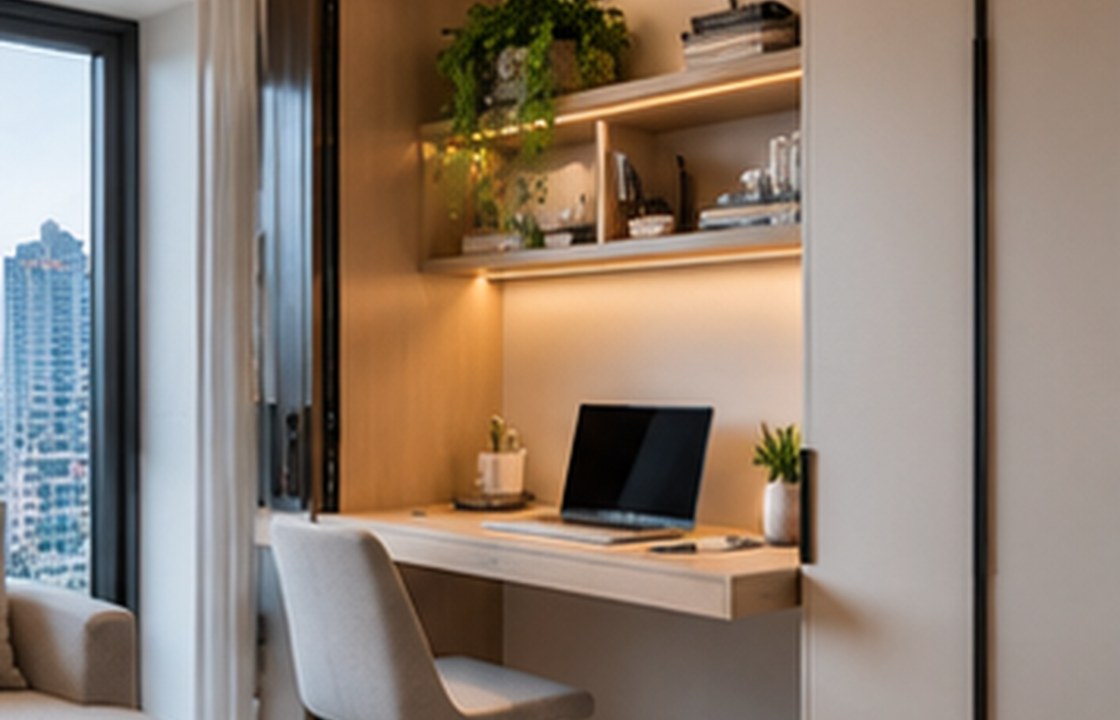
The short answer
For office lighting for focus and comfort, begin by defining how the space will be used, checking the existing physical and technical constraints, and deciding what must perform reliably every day. For Phnom Penh projects, climate, maintenance, user comfort, and handover responsibilities belong in the same conversation as the design style.
Effective office lighting supports different tasks, reduces unnecessary glare, and works with daylight instead of competing with it. Good design is about control and consistency rather than simply adding more fixtures. The guidance below translates that goal into practical decisions a property owner or operating team can discuss with a designer, contractor, and relevant specialists.
01 Map activities and screen positions
Locate where people read paper documents, work on monitors, collaborate, and meet clients. Study window glare at different times of day. Desks facing direct reflections may need shading or relocation before any new lighting purchase.
To make this decision actionable, ask the project team to show it on a measured drawing or a physical sample, identify any dependence on building services, and record who approves the final result. A convincing visual alone is not evidence that the detail will work.
02 Layer the lighting
Use general illumination for circulation, appropriate task light where needed, and accent light for shared areas. Check contrast between bright and dim zones. Provide independent controls so a meeting room can support presentations, video calls, and face-to-face discussion.
Compare a restrained option with an upgraded option on usability, maintenance, and effect on the wider design. This helps prevent one appealing feature from consuming resources better used for circulation, safety, or everyday convenience.
03 Plan efficiency and maintenance
Discuss fixture performance, controls, replacement parts, and access with the electrical designer. Unmaintainable decorative fittings can increase long-term costs. Dimming and occupancy controls may be useful when matched to the way the office actually runs.
Before procurement, confirm actual dimensions, delivery access, installation requirements, and how the selected element can be cleaned or repaired. What works in a showroom may behave differently after daily use.
04 Test the scheme before handover
Inspect light levels, glare, colour appearance, and switching with real furniture in position. Staff feedback from a trial setup can be more revealing than a rendering. Record fixture specifications and control settings for future adjustments.
Finally, test the proposed solution against the intended occupants or operators. Record their feedback, resolve conflicts with adjacent trades, and keep the agreed specification available for site inspections and handover.
A practical Phnom Penh scenario
A shared office near Koh Pich might use glare control along the glazed façade and simpler, even lighting in core work areas. Small meeting rooms could receive separate light scenes for calls and presentations, coordinated with screen placement.
This scenario is illustrative, not a description of a completed SATU project. It shows why the brief should be tested against the actual property, its users, and the relevant technical conditions before design is approved.
Project checklist before you approve the design
Use this list when briefing the design team, comparing options, or reviewing site progress. Add property-specific requirements and ask qualified advisers to verify technical or regulatory matters.
- Desk and monitor positions
- Daylight, glare, and shading observations
- Task, meeting, and circulation lighting needs
- Maintenance access and lighting controls
Common mistakes to avoid
Three recurring risks in office lighting for focus and comfort are approving the visual concept before confirming technical conditions; buying fixtures or furniture without checking exact dimensions and service access; and leaving responsibility for inspections or maintenance undefined.
A short written decision log, relevant mock-ups, and clear approval stages help teams catch these issues while changes are still manageable. A responsible design process also separates creative ideas from promises that depend on permits, specialist verification, or the condition of the existing building.
Frequently asked questions
Is brighter lighting always better for productivity?
No. Excessive brightness and glare can be uncomfortable. The goal is suitable illumination for the task and user.
Should lighting be designed before furniture?
They should be coordinated. Desk positions, meeting tables, and partitions affect where light is needed.
Can daylight replace office lighting?
Daylight is valuable but varies by time and weather, so an appropriate artificial-lighting strategy remains necessary.
Design for the way the space will really work
Successful office lighting for focus and comfort balances what people want to see with what they will actually experience. Begin with a clear brief, involve specialists before critical decisions, and ask for evidence that important details can be built and maintained. SATU’s published services include design planning, green design, project management, engineering, procurement and construction, and migration management. Explore the official services or contact the studio about your particular space.
Further reading and professional verification
For service details, consult SATU’s official service overview. For project changes involving structural, mechanical, fire, or building controls, seek advice from qualified local professionals and the relevant Cambodia authorities; this article is planning information, not an approval or code-compliance determination.