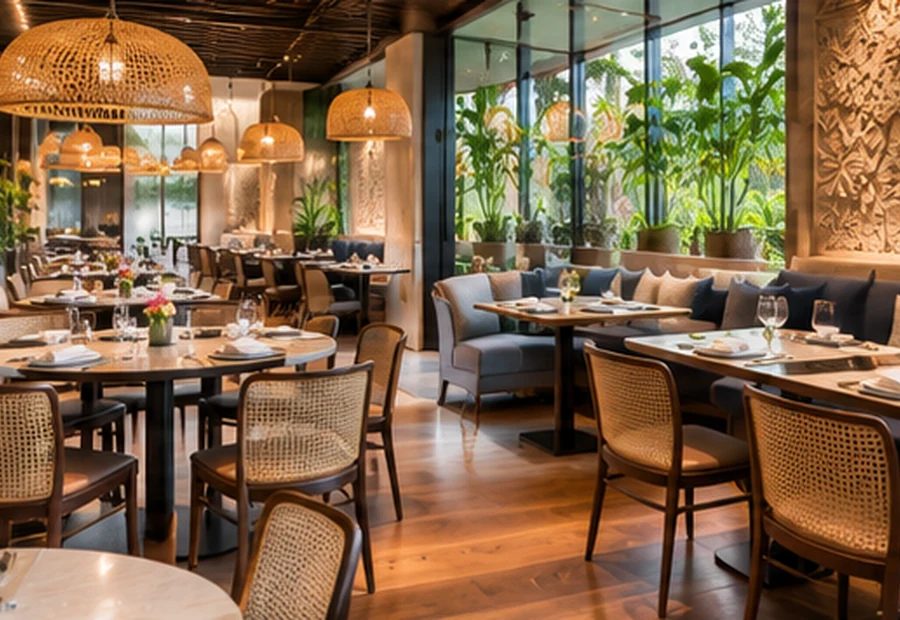
Coordinate dining atmosphere with kitchen workflow, circulation, cleaning, sound and staff needs. A memorable restaurant communicates its concept before the first dish arrives.
What matters for this project
A memorable restaurant communicates its concept before the first dish arrives. Interiors can help guests understand whether a venue is casual, intimate, celebratory or quick-service. Consistent brand expression is more effective than filling a space with decorative motifs.
Translate the menu and audience into space
Start with cuisine, price position, expected dwell time and typical group size. A family restaurant may need flexible tables, robust seating and easy stroller circulation; an intimate dining concept may prioritize privacy and warm lighting. Consider the customer journey from street frontage and arrival to ordering, dining and payment. Use these decisions to form a coherent brief.
Build a recognizable design language
Choose a limited material and lighting palette that supports the food and brand voice. Local art, handcraft and natural textures can strengthen identity when thoughtfully sourced. Be careful with highly reflective surfaces, themed props and complex joinery that may age quickly or be expensive to maintain. A recognizable venue is one with clear decisions, not necessarily the most elaborate fit-out.
Consider life beyond opening night
Create easy-to-update signage locations, flexible display areas and durable furniture standards. Test how the interior looks during daytime service as well as dinner. Coordinate photography-friendly features without compromising circulation or staff efficiency. When the atmosphere supports both the menu and operations, the restaurant can build familiarity without a full redesign every season.
Translate a restaurant concept into a brief
Imagine a café that serves quick lunches and quieter evening meals. The design should explain how seating, lighting and service change over the day. A flexible banquette, adjustable light scenes and a logical takeaway counter may serve the brand better than a theatrical entrance that creates a queue. Select a small family of finishes suited to both photography and daily cleaning. During review, ask whether a first-time guest can see where to order and whether staff can reach every table without unnecessary detours.
Project decision checklist
- Define audience and expected dining behaviour.
- Test the design across day and evening lighting.
- Use materials that can be repaired or replaced.
- Keep staff workflow visible in brand decisions.
Frequently asked questions
Do restaurants need an Instagram feature wall?
Only if it serves the concept and does not sacrifice seating, circulation or maintenance practicality.
Can inexpensive finishes still feel distinctive?
Yes. Strong lighting, composition, craftsmanship and a disciplined palette can be more memorable than costly decoration.
Next steps
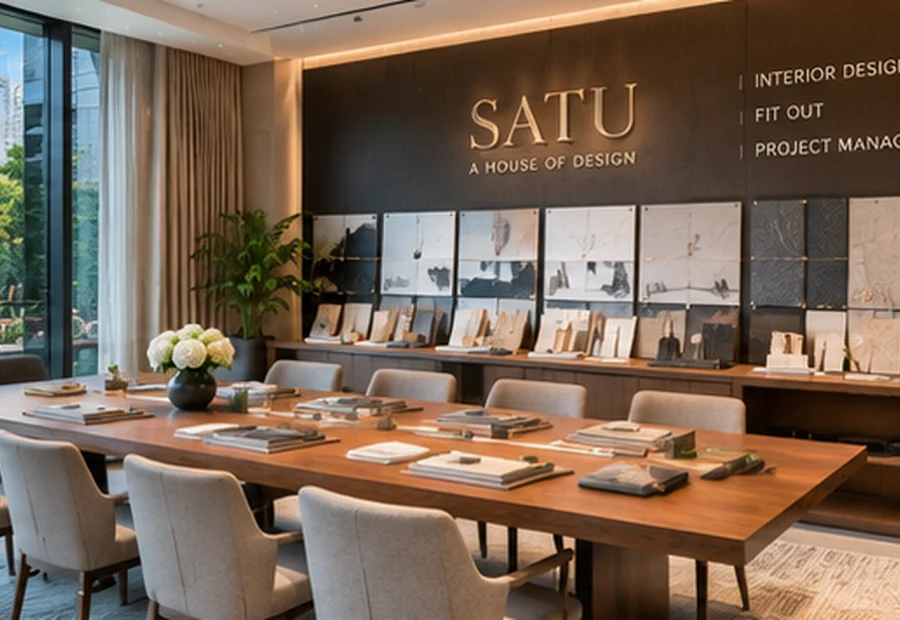
Use these questions to prepare a clear brief and compare project proposals based on scope, evidence and realistic operating needs. For a project in Phnom Penh, confirm site conditions and applicable building requirements with the responsible professionals before finalizing the work. For a relevant discussion, contact the SATU team in Phnom Penh.