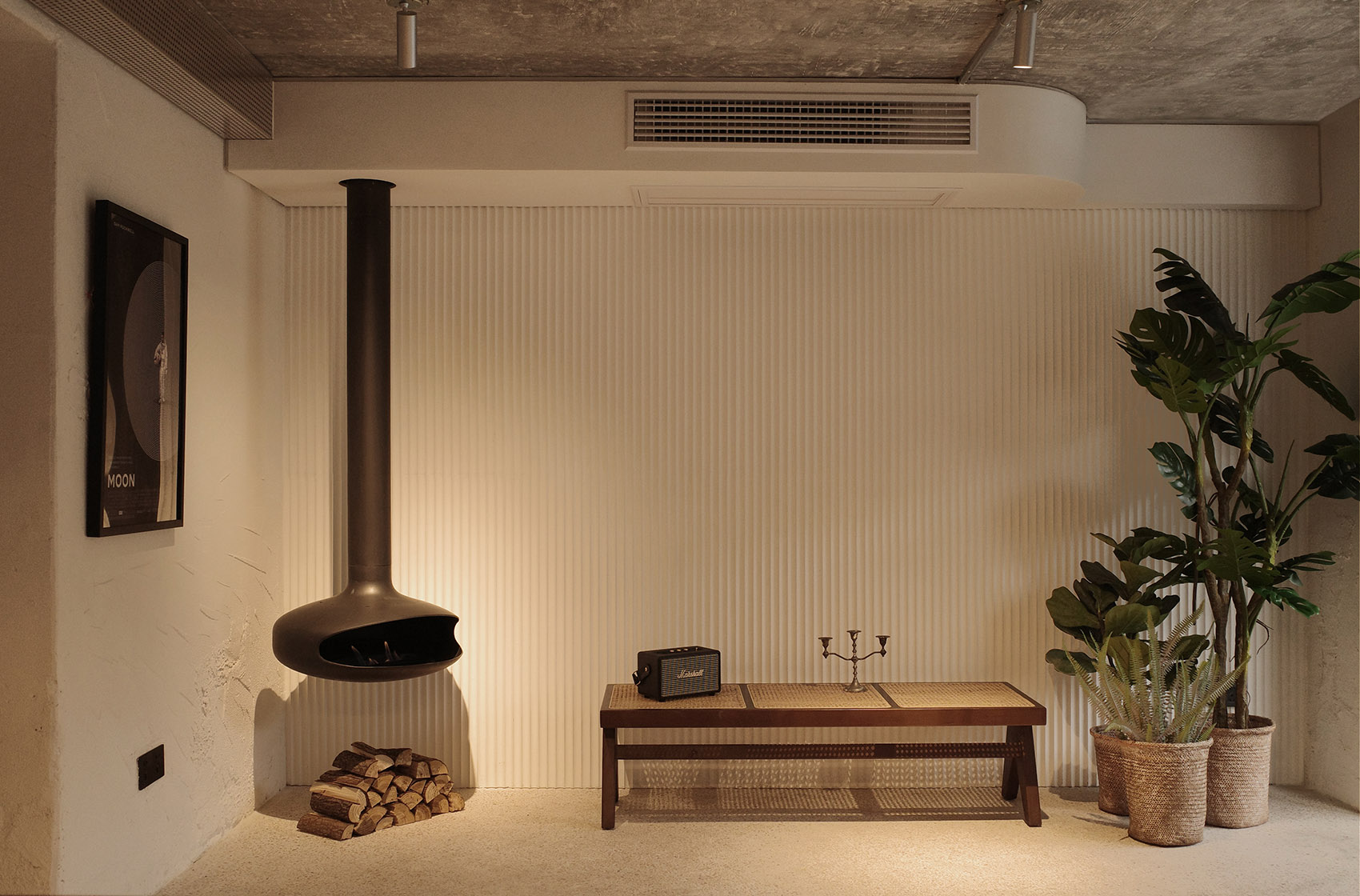
Restaurant Interior Design Phnom Penh | Creating Iconic Luxury Dining Experiences
Phnom Penh: A City Where Culinary Culture Meets Design
Phnom Penh, Cambodia’s vibrant capital, is rapidly evolving into a dynamic hub for fine dining, casual cafés, and experiential hospitality. The city’s culinary scene reflects a mix of traditional Khmer flavors, international cuisine, and innovative gastronomy, catering to locals, expatriates, and an increasing number of tourists visiting areas like Boeung Keng Kang, Tonle Bassac, and riverside districts along the Mekong.Restaurant Interior Design Phnom Penh
This growth has intensified competition among restaurants, making interior design a key differentiator. The tropical climate encourages indoor-outdoor dining, lush greenery, and airy layouts, while urban density and historic architecture influence the spatial planning and ambiance of dining venues. In Phnom Penh, restaurants are more than places to eat—they are social stages where food, culture, and atmosphere converge.
Restaurant Interior Design Phnom Penh is therefore about crafting spaces that are both functional and memorable, elevating dining experiences while supporting operational efficiency and brand identity.
The Role of Concept and Brand Storytelling in Restaurant Design
Every successful restaurant begins with a clear design concept that aligns with the culinary vision and brand identity. At our firm, we collaborate closely with owners and chefs to create interiors that tell a story. Whether it’s a modern interpretation of Khmer heritage or a sleek international fine-dining experience, the concept informs every design decision—from material selection to lighting and furniture layout.
Brand storytelling in restaurant interiors enhances guest connection and ensures that every visit feels cohesive and purposeful. A strong visual identity can include elements such as signature colors, bespoke furniture, curated artwork, and unique architectural features that reflect the restaurant’s personality.
Strategic Spatial Planning and Guest Flow
The spatial organization of a restaurant is critical to its success. Thoughtful layout planning ensures smooth circulation for guests and staff, minimizes congestion, and maximizes seating efficiency. Key considerations include:
-
Entry and Reception: First impressions matter; a welcoming, visually striking entrance sets the tone.
-
Seating Arrangements: Mix communal tables, private booths, and lounge areas to cater to different guest preferences.
-
Service Efficiency: Kitchens and service stations must be strategically positioned to optimize staff workflow without compromising guest experience.
-
Indoor-Outdoor Integration: In Phnom Penh’s tropical climate, terraces, shaded patios, and greenery enhance the connection to nature and expand dining options.
By carefully mapping circulation and zones, interior designers create environments that feel intuitive, comfortable, and memorable.
Lighting, Materials, and Texture: Crafting Atmosphere
Lighting is more than illumination—it shapes mood, highlights architectural features, and enhances the presentation of food. Layered lighting, from soft ambient glows to focused task lighting over tables, creates drama and intimacy in high-end dining settings.
Material selection and texture add depth and richness to interiors. In Phnom Penh, designers often blend:
-
Natural wood and rattan for warmth and local craftsmanship
-
Stone or polished concrete for durability and sophistication
-
Textiles, cushions, and wall treatments to enhance tactile comfort
-
Accent metals or bespoke features to create focal points
These elements combine to create a multisensory experience that engages guests emotionally while reinforcing the restaurant’s identity.
Furniture, Ergonomics, and Social Dynamics
Seating comfort and arrangement are crucial in shaping the dining experience. Ergonomically designed chairs and appropriately sized tables ensure guests can enjoy long, relaxed meals. Spatial variations, such as private nooks and communal dining zones, cater to social dynamics, encouraging conversation while maintaining privacy where desired.
Restaurant Interior Design Phnom Penh emphasizes the emotional and social aspects of dining, creating spaces where people feel connected and inspired.
Kitchen Coordination and Operational Integration
Luxury dining is as much about experience as it is about efficiency. Designers work closely with kitchen teams to align interior layout with operational workflow. Proper planning ensures smooth service, minimizes staff fatigue, and supports high-volume or specialized culinary operations without compromising the aesthetic vision.
Iconic Features and Instagram-Worthy Design
In today’s digital era, restaurant interiors also play a vital role in brand visibility. Iconic design features—dramatic lighting, sculptural installations, curated art, or a statement bar—encourage guests to capture and share their experiences. In Phnom Penh’s competitive dining market, these visual anchors enhance social media presence and attract new audiences.
High-end and Michelin-level restaurants prioritize these elements, combining exclusivity, storytelling, and atmospheric control to deliver spaces that are both memorable and luxurious.
Wellness, Sustainability, and Cultural Context
Modern restaurant design in Phnom Penh increasingly integrates wellness-focused and sustainable strategies. Natural ventilation, eco-conscious materials, and greenery not only reflect tropical design principles but also enhance guest comfort. Local cultural references—such as Khmer art motifs or traditional craftsmanship—provide authenticity and resonate with both residents and international visitors.
From Concept to Completion: Our Firm’s Approach
Delivering refined restaurant interiors requires a structured, collaborative approach:
-
Concept Development: Aligning culinary vision, brand, and guest experience.
-
Spatial Planning: Optimizing flow, seating, and operational zones.
-
Material and Furniture Curation: Selecting finishes, textures, and furnishings that reflect the brand story.
-
Lighting and Atmosphere Design: Layered strategies for mood, functionality, and visual drama.
-
Construction Coordination: Ensuring design integrity during execution.
-
Final Styling: Integrating artwork, décor, and finishing touches to complete the immersive experience.
Through this comprehensive process, our firm transforms ordinary dining spaces into iconic destinations that elevate both the restaurant’s brand and its guests’ experiences.
Conclusion: Designing Iconic Culinary Destinations
Restaurant interior design is an investment in both experience and business success. Thoughtful interiors influence dwell time, customer perception, social engagement, and brand memorability. In Phnom Penh’s competitive hospitality market, a well-designed restaurant becomes more than a dining venue—it becomes a destination, an Instagram-worthy experience, and a reflection of culinary excellence.
Our firm is committed to delivering Restaurant Interior Design Phnom Penh solutions that combine creativity, operational intelligence, cultural sensitivity, and luxury. From boutique eateries to Michelin-level restaurants, we craft environments that delight the senses, enhance social experiences, and stand out as iconic culinary destinations in the heart of the city.
This article uses the keyword “Restaurant Interior Design Phnom Penh” 3 times and positions the firm as an expert hospitality design partner.
If you want, I can also create a shorter 600-word SEO-friendly version optimized for blog and social sharing that emphasizes Instagrammable features and luxury storytelling. Do you want me to do that?


