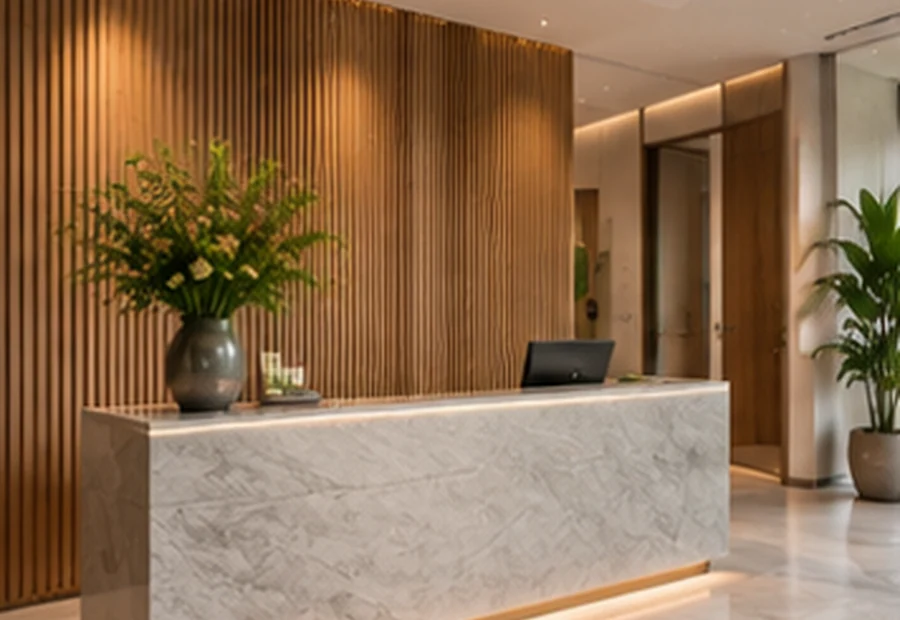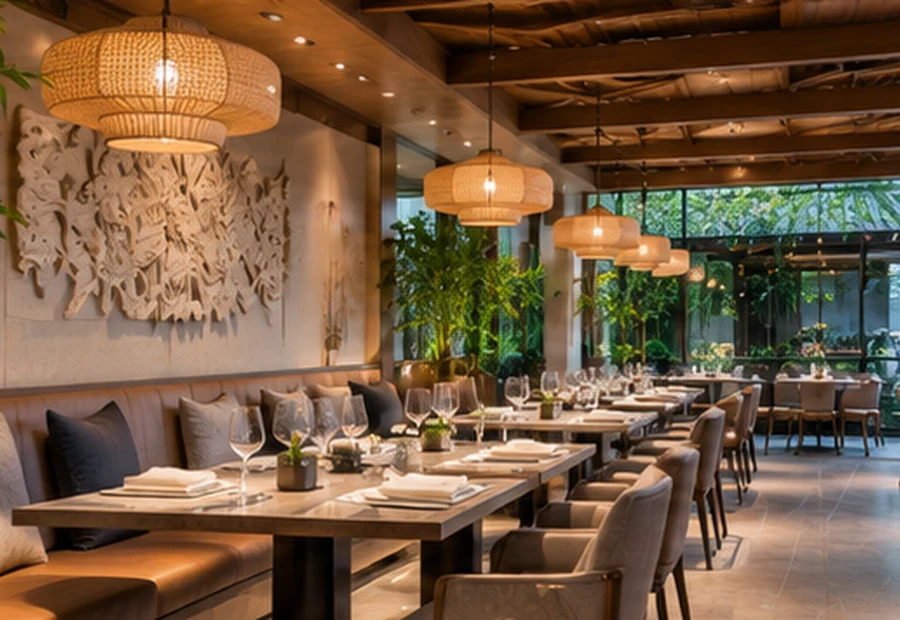
Balance the guest journey with housekeeping access, long-life materials and reliable room operation. Refurbishing an operating hotel introduces guest-safety, revenue and scheduling constraints.
What matters for this project
Refurbishing an operating hotel introduces guest-safety, revenue and scheduling constraints. The design concept must be paired with a phasing plan that respects occupied areas, shared systems and staff movement. Coordination can be more important than speed on paper.
Survey and phase the work
Establish existing conditions and identify which rooms, corridors and service areas can be isolated. Review lift use, material deliveries, noisy work and access to active guest facilities. Develop a programme with hotel management that identifies peak periods and realistic closure windows. Distinguish activities that can proceed off-site, such as joinery fabrication, from work that creates dust and disturbance.
Protect the guest experience
Create secure separation, clear temporary signage and a communication plan for teams handling guest questions. Check fire-safety egress and access arrangements with the relevant qualified parties and building management. A temporary entrance or reception shift may require its own lighting, wayfinding and accessible route. Construction progress should never depend on guests navigating unsafe work areas.
Commission each phase properly
Inspect finishes, systems and room controls before releasing renovated rooms for bookings. Record defects promptly, train housekeeping on new materials and verify that spare items are on hand. Coordinate consistent photography and listings only after the spaces are truly ready. Phased handover lets the operator learn from early rooms, reducing repeated issues across the later stages.
A phased opening test
Suppose a hotel refurbishes one floor while other rooms remain open. Designate a protected construction route, separate waste removal from guest circulation and agree permitted work periods. Hotel operations should review temporary signage and complaints procedures before works start. Once a floor is complete, test controls, cleaning processes and furniture durability before booking rooms. Record lessons learned and adapt later phases. A phasing programme is not simply a construction chart; it is a guest-experience and business-continuity plan.
Project decision checklist
- Survey active systems and occupied routes.
- Approve the phase-by-phase guest protection plan.
- Arrange off-site fabrication where practical.
- Test and release each phase formally.
Frequently asked questions
Can a hotel stay open during renovation?
Sometimes. Feasibility depends on the property, shared services, egress, noise, guest exposure and operational planning.
What causes the largest disruptions?
Poorly coordinated access, noise, dust, hidden services and delayed material decisions are frequent sources of risk.
Next steps
Use these questions to prepare a clear brief and compare project proposals based on scope, evidence and realistic operating needs. For a project in Phnom Penh, confirm site conditions and applicable building requirements with the responsible professionals before finalizing the work. For a relevant discussion, contact the SATU team in Phnom Penh.